Koragajja Daiva Kola
Discover the sacred history, traditional rituals and spiritual significance of Swamy Koragajja Daiva Kola in Mangalore and the coastal region of Tulunadu.
What Is Koragajja Daiva Kola?
Koragajja Daiva Kola is a sacred religious ceremony performed in honour of Swamy Koragajja, also known as Koragathaniya Daiva, in the coastal Karnataka region of Tulunadu.
It forms part of Daivaradhane, the region's traditional system of Daiva worship involving sacred rituals, ceremonial music, oral narratives and inherited religious practices.
During Daiva Kola, a designated ritual performer carries out ceremonial observances associated with the Daiva. In devotional belief, the Daiva manifests through the performer, who becomes a sacred medium.
The ceremony is regarded as an important occasion for prayer, blessings and community participation.
Who Is Swamy Koragajja?
Swamy Koragajja, traditionally known as Koragathaniya Daiva, is one of the revered Daivas of Tulunadu.
According to the oral traditions preserved in the Kuthar narrative, Koragajja was originally a child named Koraga Thaniya.
His parents are remembered as Varavana Odi and Korapolu Maire. After losing them during infancy, Thaniya was raised by Myrakke Baidyedi.
He grew up to be known for his remarkable strength, hardworking nature and devotion to his foster family.
An important episode in the traditional story describes Thaniya carrying ceremonial offerings and encountering social restrictions because of his community identity.
His mysterious disappearance is remembered in the devotional narrative as the turning point in his transformation into Koragathaniya Daiva.
The story of Koraga Thaniya is preserved through Paddanas, traditional oral narratives and inherited customs. Its precise historical dates cannot be independently established.
Today, devotees affectionately address Swamy Koragajja as Ajja and associate him with protection, justice, truth and guidance.
The Origin of Koragajja Daiva Kola
The traditional history of Koragajja Daiva Kola is closely connected with Sri Panjandaya, Banta and Koragathaniya Daivas.
According to the Kuthar Aadisthala narrative, a dispute arose between Panjandaya and Banta Daivas and the Arasu Daivas of Udyavara Mada.
Koragathaniya Daiva intervened in the conflict.
In recognition of his intervention, Panjandaya Daiva granted Koragathaniya seven sacred places, known as the seven Aadisthalas.
The Kola ceremonies associated with these sacred locations follow inherited religious responsibilities and customs.
The traditional account also identifies the involvement of Munnur Grama Thantri, the Maganathadi family and associated Guthu houses in preserving ceremonial practices.
How Is Koragajja Daiva Kola Performed?
The ceremony follows the religious customs of the particular Aadisthala. Its precise sequence and responsibilities may vary between sacred locations.
Traditional Preparation
Ceremonial arrangements are undertaken by the families and custodians entrusted with traditional responsibilities.
Sacred Observances
Ritual practices, traditional recitations and ceremonial observances honour Koragathaniya Daiva.
Daiva Manifestation
Devotees believe that the Daiva manifests through the designated ritual performer during Kola.
Devotional Participation
Devotees participate reverently, seeking blessings and spiritual guidance.
Inherited Ritual Customs
The ceremony follows the established rules and responsibilities of the respective Aadisthala.
Sacred Completion
The observance concludes according to traditional religious practices preserved across generations.
The Seven Aadisthalas of Swamy Koragajja
The seven Aadisthalas form the sacred geography of Koragathaniya Daiva in the Kuthar tradition. These are photographs of the locations, not photographs of Kola rituals.
 01
Dekkadu Aadisthala
Kuthar – Manjapaltha Mannu, Udithna Kall
 02
Swamy Thala
Someshwara Aadisthala
 03
Bolya Aadisthala
Traditional sacred Koragajja location
 04
Mitha Agela Aadisthala
One of the seven traditional Aadisthalas
 05
Ujila Aadisthala
Traditional Koragathaniya sacred place
 06
Thala Aadisthala
One of the seven sacred Aadisthalas
 07
Deralakatte Aadisthala
Kanthi Kall
Koragajja Kola at Deralakatte – The Sacred Bheti
One of the distinctive Koragajja Daiva Kola traditions is associated with Deralakatte Aadisthala, Kanthi Kall.
According to the published Kuthar tradition, the Bhandara associated with Koragathaniya and Guliga Daivas is taken from the Maganathadi family house to Deralakatte on an auspicious day in December.
Koragathaniya Daiva's Kola is performed at the Deralakatte Aadisthala, while Guliga Daiva's Kola takes place at Guligana Katte.
The traditional meeting between the two Daivas is known as Bheti.
This observance reflects the inherited connections between the Daivas and the families responsible for preserving the rituals.
Unique Traditions of Koragajja Daiva Kola
Traditional Lighting Restrictions
The Kuthar account describes Kola ceremonies being performed without artificial lighting at six of the seven Aadisthalas.
Inherited Ritual Responsibilities
Ceremonial responsibilities are associated with hereditary custodians, designated families and established religious customs.
Distinct Aadisthala Practices
The seven traditional Aadisthalas follow specific restrictions concerning idols, structures, lamps and incense.
Respect for Sacred Spaces
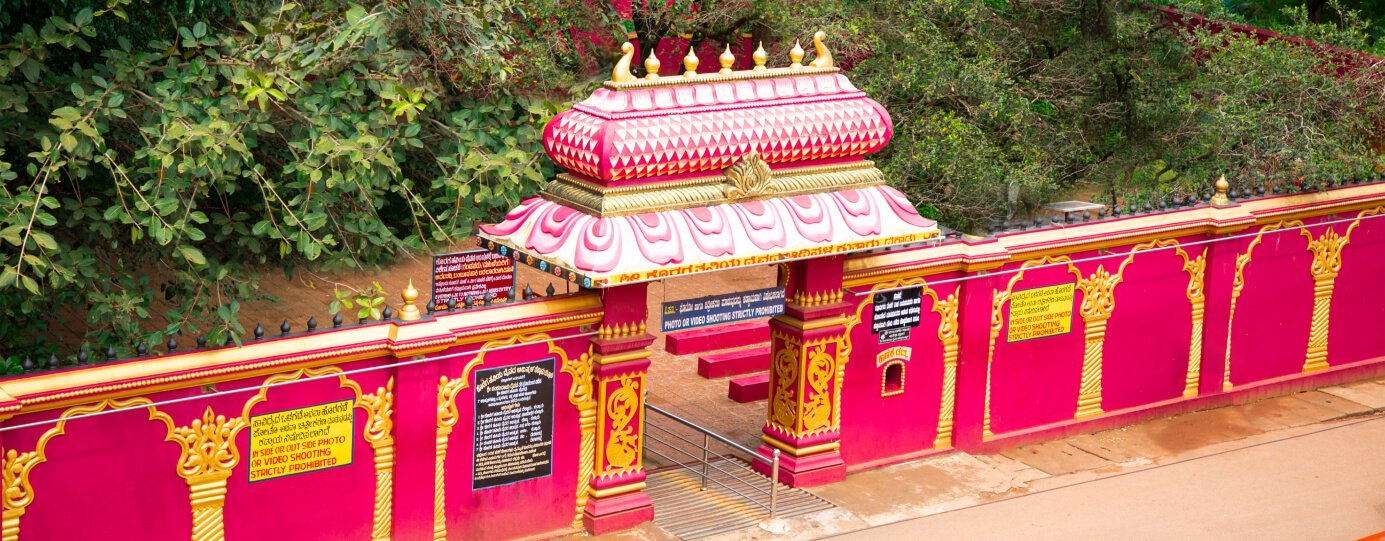
Visitors must follow the Aadisthala regulations, including restrictions concerning photography and videography.
Spiritual Significance of Koragajja Kola
For devotees, Koragajja Daiva Kola represents a sacred expression of faith and continuity.
It connects communities with traditions preserved across generations.
Devotees regard Swamy Koragajja as a compassionate protector associated with truth, justice, guidance and sincere prayer.
The Kola also highlights the importance of hereditary custodians, ritual performers, participating families and community responsibilities.
Through these observances, Tulunadu's spiritual heritage continues as a living tradition.
Koragajja Daiva Kola and Bhoota Kola
Bhoota Kola is a widely used term for the ritual traditions of Daivaradhane in coastal Karnataka.
Koragajja Daiva Kola refers specifically to ceremonial worship associated with Koragathaniya Daiva.
Although they belong to the broader Daivaradhane tradition, individual Daivas have distinct origin narratives, sacred locations and inherited customs.
The terminology used by communities may differ, and local religious usage should be respected.
Koragajja Daivasthana and Aadisthala
A Daivasthana is a sacred place associated with Daiva worship.
Within the Kuthar tradition, an Aadisthala refers to one of the seven sacred locations associated with Koragathaniya Daiva.
Other Koragajja shrines should not automatically be identified as one of the seven traditional Aadisthalas.
When Is Koragajja Daiva Kola Held?
Koragajja Kola ceremonies follow the traditional religious calendar and the customs of the respective Aadisthala.
According to the Kuthar tradition, the ceremonies at the seven Aadisthalas take place individually after the Tulu month of Aati.
The Deralakatte tradition also includes the December Bhandara procession and the sacred Bheti observance.
Exact ceremonial dates should be confirmed with the responsible authorities.
Traditional Offerings and Harake
Harake refers to a devotional vow or offering associated with worship.
The Kuthar historical account describes the practice of Samman or Agel, involving food served on a plantain leaf placed on a winnowing pan.
It also distinguishes this offering practice from the customs permitted at the seven Aadisthalas.
Devotees should consult the relevant custodians before arranging offerings or ceremonies.
Koragajja Daiva Kola – Questions and Answers
What is Koragajja Daiva Kola?
Koragajja Daiva Kola is a sacred religious ceremony honouring Koragathaniya Daiva in Tulunadu. It belongs to the traditional practice of Daivaradhane.
Who is Koragathaniya Daiva?
Koragathaniya Daiva, commonly known as Swamy Koragajja, is a revered Daiva of coastal Karnataka. His traditional origin story is associated with Koraga Thaniya.
Where is Koragajja Kola performed?
Koragajja Kola is performed at sacred locations associated with Koragathaniya Daiva. The Kuthar tradition identifies seven sacred Aadisthalas.
What is Bheti in Koragajja Kola?
Bheti is the traditional meeting between Koragathaniya Daiva and Guliga Daiva during the ceremonial observances at Deralakatte.
Why is Koragajja Kola performed without artificial lighting?
The Kuthar Aadisthala tradition states that Kola ceremonies are performed without artificial lighting at six of the seven Aadisthalas.
Is Koragajja Kola the same as Bhoota Kola?
Koragajja Kola belongs to the broader Daivaradhane tradition, often referred to as Bhoota Kola. It follows customs specifically associated with Koragathaniya Daiva.
When does Koragajja Daiva Kola take place?
The seven Aadisthala Kola ceremonies traditionally take place individually after the Tulu month of Aati. Exact dates should be confirmed with the respective authorities.
Can visitors photograph Koragajja Kola?
The published Kuthar Aadisthala regulations prohibit photography and videography at the seven traditional Aadisthalas. Visitors should follow the instructions of the shrine authorities.
Learn More About Swamy Koragajja
Explore the history, sacred locations and inherited customs of Swamy Koragajja Aadisthala, Kuthar, Mangalore.